A life shaped by Montana, family, service, travel, and a lasting love of storytelling.
A Life Rich in Experience
Lynden Sears’s stories are rooted in a lifetime of experiences that extend far beyond the written page. Born on a small farm in southern Idaho, Lynden moved to Montana during his youth and has called the state home since 1958. His teenage years and early adulthood were spent working on a large dairy farm in southwestern Montana—an area that would eventually become central to the fictional worlds he creates.
His path through life has rarely followed a single road. He attended college in Provo, Utah, and Butte, Montana, and dedicated three years to church service in Mexico and El Paso, Texas. He later served in the United States Army as an infantryman during the Vietnam era.
Before beginning his primary career, Lynden experienced several distinctly Montana occupations. He worked in timber harvesting, drove a 100-ton ore truck at an open-pit copper mine, and served as a night patrolman and radio dispatcher with the Jefferson County Sheriff’s Office.
Each experience gave him a closer look at the people, landscapes, professions, and communities that would eventually influence his writing.
A Career Built on Service
Lynden spent 30 years with the United States Postal Service. During his first 13 years, he worked in distribution and dispatch before moving into facilities management. In that role, he became responsible for the design, construction, repair, and maintenance of Postal Service buildings throughout Montana.
During the later years of his USPS career, his work took him across the country as he taught facility-maintenance seminars to postal managers nationwide.
After retiring from the Postal Service, Lynden began another chapter of his professional life as a hazardous materials inspector for an environmental engineering firm.
His experience working for and alongside federal agencies for more than four decades also gave him firsthand insight into how federal, state, and county organizations cooperate—knowledge he draws upon when portraying law enforcement and government agencies in his fiction.
Today, Lynden remains professionally active as a foreign-money specialist, evaluating and marketing coins and currencies ranging from the ancient Greek and Roman eras to modern times.
Adventure Beyond the Working Years
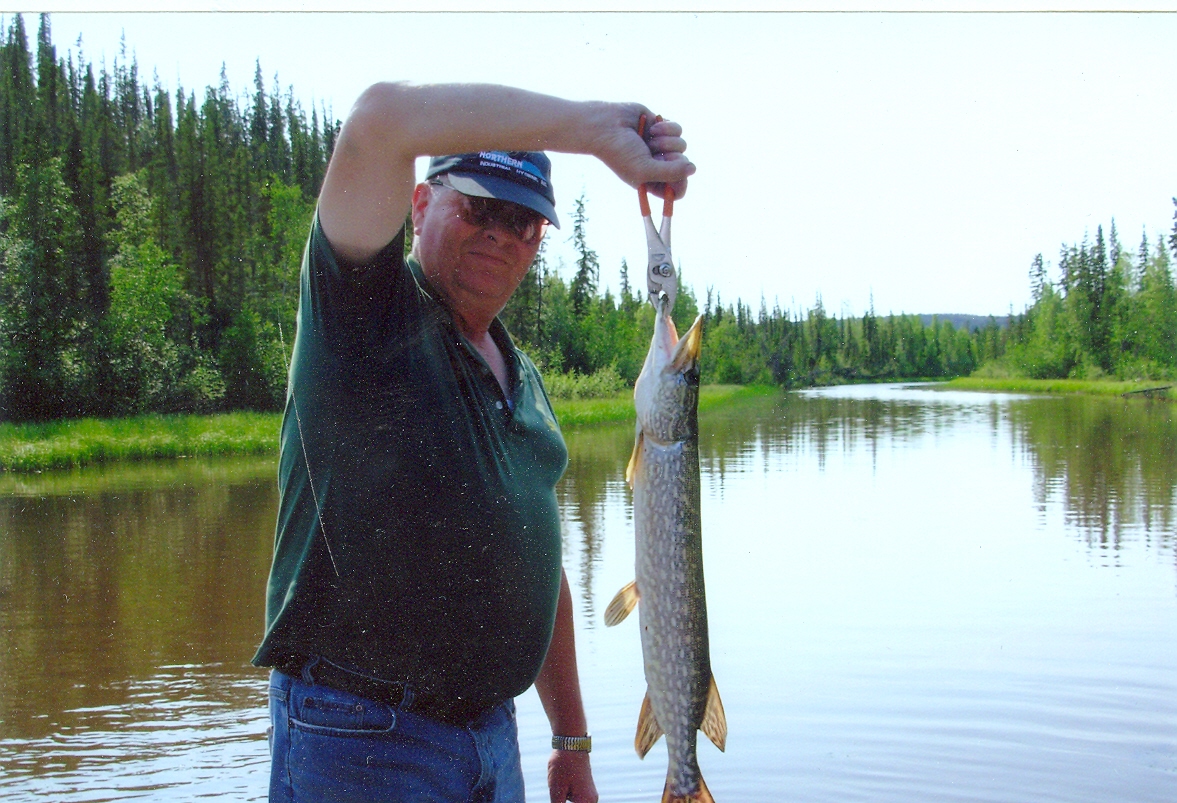
The outdoors has always been an important part of Lynden’s life.
Fishing, hunting, camping, mountain climbing, floating rivers, gardening, woodworking, oil painting, coin collecting, reading, writing, and travel have all occupied his time over the years. These interests are more than hobbies; many have helped shape how he observes landscapes, people, and the small details that make a setting believable.
Travel has been another defining part of his life. Lynden has visited all 50 states, much of Canada and Mexico, and approximately two dozen additional countries across four continents.
He has a particular affection for train travel and has accumulated more than 100,000 miles aboard passenger trains throughout the United States.
Family, Faith, and the Names Behind the Stories
Family occupies a special place in Lynden’s life and even finds its way into his fiction.
He is the father of seven sons, one deceased, and grandfather to 19 grandchildren. The first names of his sons, many of his grandchildren, close Army friends, and former high-school classmates have appeared as character names throughout his writings.
This connection is especially meaningful in the Sheriff Chandler novels. The name Phillip, given to his central character Sheriff Phillip Chandler, honors Lynden’s deceased son, while the surname Chandler comes from one of his closest Army friends.
Faith has likewise remained a constant throughout Lynden’s life. He has participated in congregational Christian service for more than six decades and continues that service alongside his wife.
From Technical Writing to Fiction
Writing was part of Lynden’s professional life long before novels became part of it.
Throughout his career, he produced countless technical reports and documents, some approaching book length. Yet behind the technical writing remained a desire to write simply for the enjoyment of telling a story.
When Lynden begins a novel, he does not necessarily know where the final chapter will take him. He starts with an idea, places himself mentally inside the opening scene, and follows what he believes would logically happen next.
Rather than outlining every development in advance, he imagines himself witnessing the characters, conversations, landscapes, and events as they unfold.
The characters and crimes may be fictional, but their surroundings are not.
Southwestern Montana—its communities, rivers, mountains, roads, distances, and geography—is portrayed with an authenticity that comes from decades of living there. In many ways, the landscape itself becomes another character in Lynden’s stories.
His life has taken him from farms and mountains to military service, federal facilities, distant countries, railroad journeys, and eventually the pages of his novels. Each path has contributed something to the storyteller he became. To discover how those experiences find their way into his fiction, continue to explore Lynden Sears’s books.